
Key Takeaways
- The new Airbnb rules apply to every booking made from 20 November 2026: checkout chores, fines, rental agreements, ID requests and check-in apps are now strictly limited.
- Guests can no longer be required to run the dishwasher, strip the beds or take the rubbish out, and host fines are banned. Guest registration that is required by law, as in Spain, Portugal or Italy, remains possible.
- For a property manager, the impact is concrete: longer turnovers, listings to rewrite and check-in processes to rethink, all of which need to be reflected in cleaning fees and pricing.
“Please load the dishwasher and take the bins out before you leave.” That line, found in thousands of listings, will soon no longer be enforceable. Announced on 20 October 2026, the new Airbnb rules apply to all bookings made from 20 November. They set clear limits on what a host can ask of guests: checkout chores, fines, contracts, ID documents and check-in apps. For a property manager running dozens of homes, from London flats to Lisbon apartments, this is a project to complete before the deadline: listings, house rules, check-in processes and cleaning schedules. Here is what changes, what is still allowed and a checklist to be ready on time.
New Airbnb rules: what changes on 20 November
The key date is the booking date, not the stay date. A booking made on 19 November for a stay in February keeps the old rules; a booking made on 20 November for a stay the next day falls under the new ones. For several months, your team will be running both systems side by side. The reform replaces the off-platform policy that came into force in May 2025.
The general principle is simple: hosts can only ask guests for reasonable things, disclosed before booking, with no hidden strings attached. The table below summarises what is still possible and what is not.
Checkout chores and fines
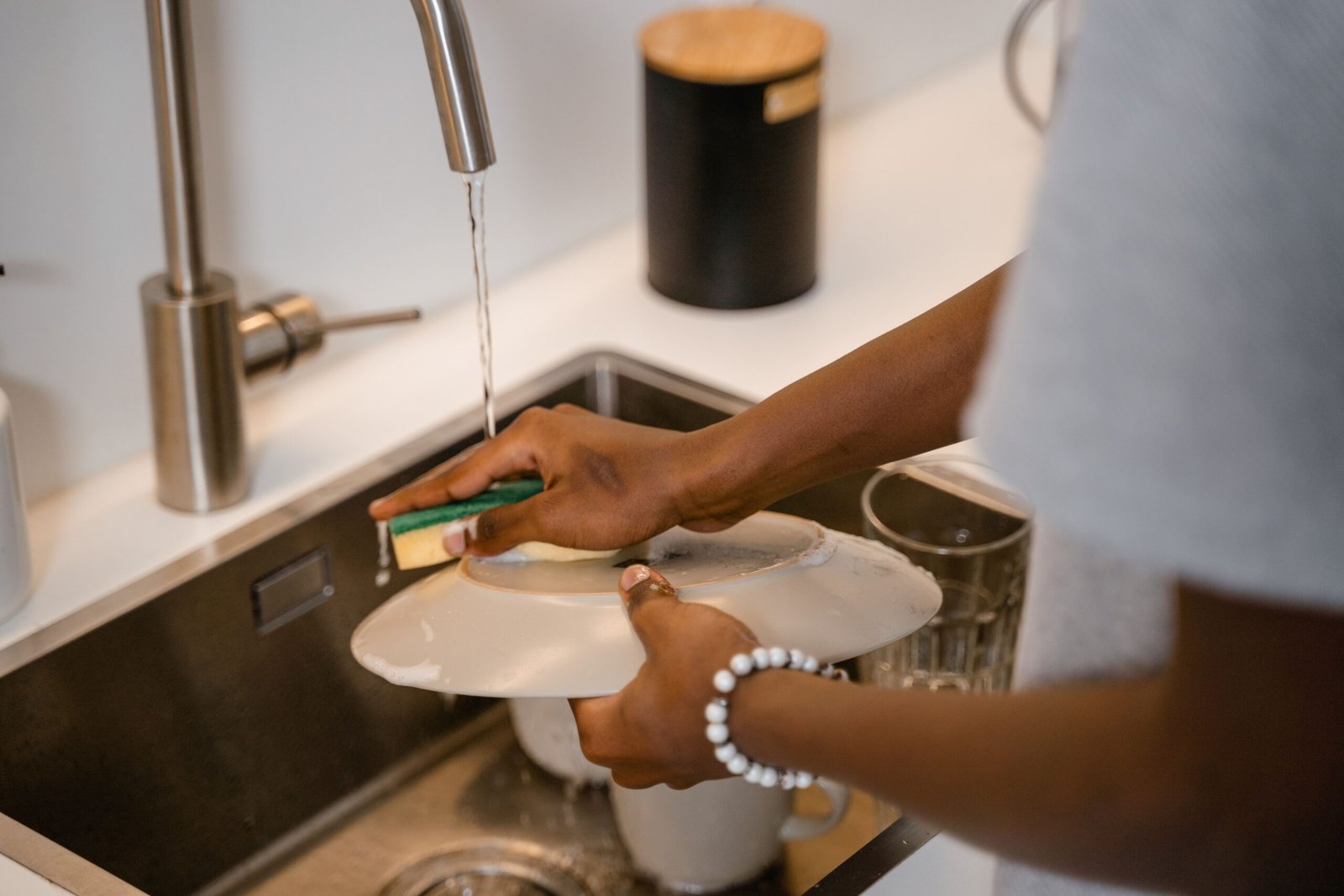
This is the most visible change. Basic requests are still fine: putting dirty dishes in the sink, gathering towels, sorting the rubbish. Requiring guests to wash or put away dishes, load the dishwasher, strip the beds or take bins out to an outdoor container is no longer allowed. Host fines, such as “€100 if the property is left dirty”, are banned. Fines set by a local authority or a building association can still be mentioned, but only in the section reserved for local rules.
House rules and the new checker
Rules must now sit in standard categories (maximum guests, quiet hours, events, pets, smoking, commercial filming, closing up at checkout) and can no longer be added after booking. The listing editor now flags problematic wording when you save. Flagged text can still be saved but goes to review, and passing the checker does not guarantee full compliance.
Contracts, ID and personal data
A rental agreement is only allowed in four cases: a legal or building requirement, stays of 28 nights or more, an optional amenity (a bike on loan, for example) and Airbnb Luxe homes. It must be uploaded to the dedicated section of the listing, where it is publicly visible, so it cannot contain personal information. More broadly, collecting contact details, ID copies or financial information is no longer possible unless the law requires it. Wi-Fi login pages that ask for an email address are also banned, except at hotels.
🔔 What about guest registration? In many European countries, including Spain, Portugal and Italy, holiday rental hosts have a legal duty to register guests with the authorities. Because it comes from the law, it remains allowed under the new rules, provided you disclose it in the listing before booking and collect only what is required. In the UK, there is generally no national legal requirement of this kind, so routine ID requests will be much harder to justify. If in doubt about your situation, have your processes checked by a legal adviser.
What the new Airbnb rules mean for a property manager
For an occasional host, adapting takes half an hour. For a property manager, it is a question of operations and profitability.
- Listings to rewrite in bulk: house rules, checkout instructions, contracts, ID mentions. Across a portfolio of 50 homes, this is real work to finish before 20 November.
- Longer turnovers: washing up, stripping beds and taking bins out fall back on your cleaning teams after every stay.
- Check-in processes to rethink: if access relies on an app, you need an alternative (key safe, door code, in-person welcome) available on request.
- Deposits to set up properly: security deposits run through Airbnb-managed fees for some software-connected hosts, must be shown before booking and refunded within 7 days if there is no damage.
- Owners to keep informed: your clients will hear about these rules. It is better to explain what changes and how you will handle it yourself.
The real cost: longer turnovers
Take a fictional property manager with 20 homes and 80 stays per home per year, so 1,600 turnovers. If the tasks guests used to do add 15 minutes per turnover, paid at €25 an hour, the extra cost is about €6.25 per stay, or €10,000 a year across the portfolio.
That cost has to be passed on, otherwise it eats into your margin or your owners’. But watch the maths: Airbnb’s 15.5% host fee also applies to cleaning fees.
Cleaning fee increase = Extra cost per stay ÷ (1 − effective fee) = €6.25 ÷ 0.845 ≈ €7.40
In EU markets where VAT is added to the fee, the increase is closer to €7.70. A rise of around €7 to €8 per stay is enough to compensate, as long as you stay in line with comparable homes in your area. For the full calculation, read our article on the Airbnb host-only fee.
⚠️ Mistakes to avoid: replacing a fine with “extra cleaning fees” billed after the stay, which is also flagged; hiding a banned rule in the welcome guide sent after booking; or leaving an old contract template in your automated confirmation message. For repeated breaches, Airbnb may issue a warning, reduce search visibility, and ultimately suspend the listing or the account.
Checklist: be ready before 20 November
- Rewrite checkout instructions: keep only dishes in the sink, towels gathered and rubbish sorted.
- Remove every mention of fines from listings, welcome guides and automated messages.
- Move house rules into the standard categories and check the listing editor’s warnings.
- Drop routine contracts, except for stays of 28 nights or more or legal requirements.
- Disclose legally required guest registration in the listing, and stop routine ID copies.
- Offer app-free access for every property.
- Recalculate cleaning fees to cover the extra time, property by property.
- Update automated messages in your property management software, which often still send the old rules.
✓ An opportunity to take: optional paid extras remain allowed, as long as access to the home never depends on them. Mid-stay cleaning, late checkout, extra linen, breakfast delivery: well presented, they offset part of the extra cost and improve the guest experience.
After 20 November: protect your revenue
These rules come on top of an already busy year for property managers: registration schemes across Europe, the host-only fee and Airbnb’s new pricing tool. Each one affects your costs, your prices and your reviews. The new rules also have a possible upside: fewer imposed chores means fewer bad reviews about checkout, and therefore better conversion.
To keep a clear view of what each property really earns, think in net revenue: price, cleaning fee, commission and operating costs together. That is what Rield does for property managers, from London to Barcelona: managing prices and fees property by property, with a dedicated revenue manager and performance-based fees. You can also read our analysis of Airbnb’s new dynamic pricing tool.
Frequently Asked Questions
❓ Do the new rules apply to bookings already confirmed?
No. They cover bookings made from 20 November 2026. A booking made before that date keeps the rules in force when it was made, even for a later stay.
❓ Can I still ask guests to take the bins out?
You can ask them to sort the rubbish, but not to take it out to an outdoor container. That task now falls to your cleaning team.
❓ Can I still ask for ID?
Only when the law requires it, as with guest registration in Spain, Portugal or Italy, and only if you disclose it before booking. Routine ID copies are no longer allowed.
❓ Can I still take a security deposit?
Yes, for some software-connected hosts, through Airbnb-managed fees. The deposit must be shown before booking and refunded within 7 days if there is no damage.
❓ What happens to a non-compliant listing?
A warning first, then reduced visibility in search results. For repeated breaches, Airbnb can suspend the listing or even the account.
❓ Should I raise my cleaning fee?
If turnovers take longer, yes, but factor in the fee charged on cleaning and the prices of comparable homes. Too big an increase pushes up the total price guests see and hurts conversion.
📩 Keep control of your net revenue
Contact Rield to recalculate your prices and cleaning fees after 20 November, property by property, with performance-based fees. Discover our service for property managers.
You can also read our dedicated article: Airbnb host-only fee: adjust your prices before the switch
Sources:
Enso Connect — Airbnb policy change 2026: what hosts must do before November 20,
The Host Report — Airbnb’s house rules update goes far beyond checkout chores,
Zeevou — Airbnb host policy change: what hosts can’t ask from 20 November,
La Revue des Hôtels — Airbnb bans check-out cleaning chores.